
Blog
Safety Implications of Vandalism in Society
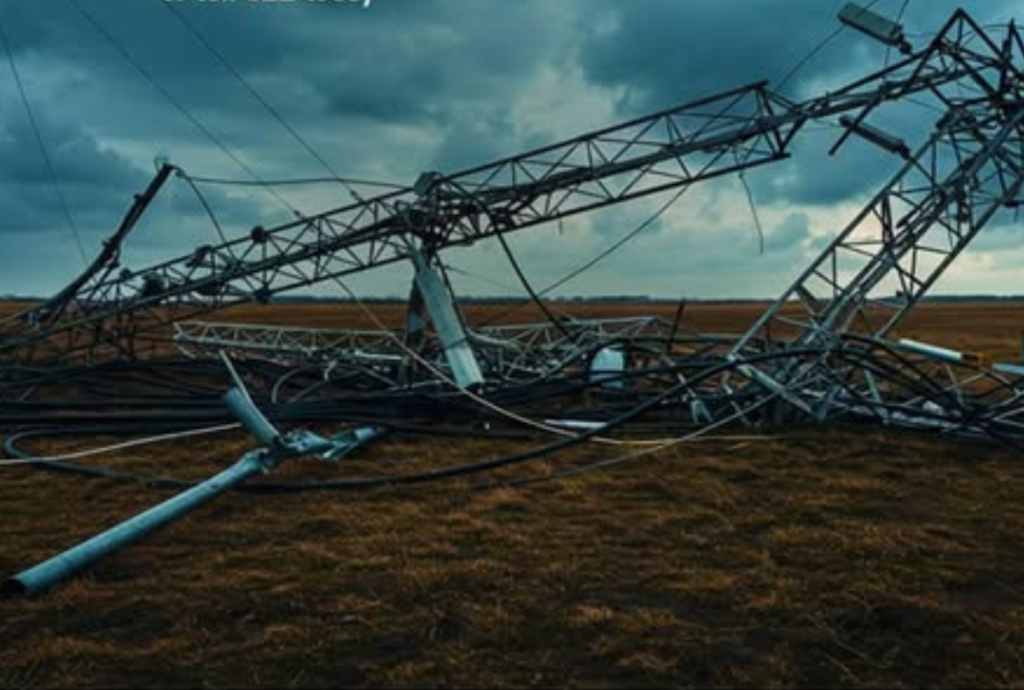

Vandalism, which has always been seen as a security matter also has very grievous safety implications.
Vandalism is a situation where unscrupulous citizens destroy valuable infrastructure in society. The term includes property damage, such as graffiti and defacement directed towards any property without permission of the owner. Some infrastructures affected include, but not limited to:
- Power
- Oil and gas
- Telecommunications
- Transportation
- And much more.
Safety Risks
Power Infrastructure
Vandalizing power infrastructure poses severe safety risks, including a high risk of electrocution and death for the perpetrators and the public, as well as the potential for fires and explosions. These acts can also cause widespread and dangerous power outages, affecting critical services.
Direct Safety Risks
- Electrocution and Severe Injury: The primary risk is direct or indirect contact with high-voltage electricity, which can result in fatal electric shocks, severe burns, and violent muscle contractions that cause falls.
- Death of Vandals: There have been tragic cases where individuals attempting to steal cables or tamper with equipment were instantly electrocuted when power was restored or due to contact with live wires.
- Fires and Explosions: Damaged equipment, exposed wires, and power surges caused by vandalism can lead to short circuits, fires, and explosions that endanger surrounding communities and property.
- Environmental Damage: Damaged infrastructure can result in chemical leaks (e.g., transformer oil) and other environmental hazards.
Community and Indirect Safety Risks
- Disrupted Critical Services: Vandalism causes power outages that halt essential services, including hospitals, water pumping stations, and emergency systems, which can have life-threatening consequences for patients and the community.
- Public Safety Hazards: Exposed or dangling live wires and damaged equipment create ongoing safety hazards for innocent individuals, especially children, in public spaces.
- Increased Crime Rates: Areas plunged into darkness due to power outages can experience an increase in other criminal activities, making residents feel less safe.
- Risk to Responders and Utility Workers: Utility staff and emergency responders face increased risks when dealing with damaged and unstable infrastructure, including the potential for electrocution in hazardous conditions.
Utility companies emphasize that “touching electricity can kill” and urge all citizens to report suspicious activity to help protect shared energy resources and public safety.
Oil and Gas Infrastructure
Vandalizing oil and gas infrastructure poses severe safety risks, primarily because these materials are highly flammable, explosive, and toxic. The deliberate damage often leads to catastrophic events like pipeline explosions, fires, toxic releases, and widespread environmental contamination, resulting in loss of life and significant injury.
Telecommunications Infrastructure
Vandalizing telecommunication infrastructure poses significant safety risks by disrupting critical public services, including emergency communications, healthcare, and transportation systems, which can lead to loss of life.
Disruption of Emergency Services
- Delayed Emergency Response: Damage to telecom networks can disable systems used to reach emergency services and other hotlines, preventing people from reaching police, fire, or ambulance services during critical incidents.
- Compromised Law Enforcement: It can disrupt communication systems used by law enforcement, hindering their ability to coordinate responses and manage public safety situations.
- Inoperable Warning Systems: Vandalism can affect public warning systems, such as flooding alerts, making it impossible to alert communities to imminent natural disasters or threats.
Impact on Healthcare and Public Health
- Hospitals and Clinics: Healthcare facilities rely heavily on stable broadband connectivity for patient care, accessing medical records, operating medical devices, and providing telemedicine services. Disruptions can jeopardize patient health and safety.
- Public Utilities: Communications infrastructure is often intertwined with other essential utilities like water and sewage systems, streetlights, and traffic signals. Vandalism can lead to service interruptions in these areas, affecting public health and safety, such as potential water contamination or traffic hazards.
Physical Dangers of Vandalism Itself
- Electrocution and Fire: Directly interfering with electrical and telecommunication equipment can lead to severe injury, electrocution, or fires, which pose an immediate danger to the vandal and surrounding areas.
- Structural Collapse: Damaging the physical integrity of masts or towers can lead to their collapse, posing a physical risk to anyone nearby.
- Explosions: In some cases, vandalism and sabotage can result in explosions, which can cause mass casualties and extensive property damage.
Road Infrastructure
Vandalizing road studs poses significant safety risks by removing a critical visual aid, which can lead to driver confusion, lane departure, and a greater risk of accidents, especially in low-visibility conditions. Road studs (also known as cat’s eyes or reflective pavement markers) are an essential part of road infrastructure designed to guide drivers and enhance safety.
Key safety risks include:
- Loss of Road Guidance: Road studs outline lane boundaries, the edge of the carriageway, curves, and junctions. Their removal makes it difficult for drivers to judge their position on the road, particularly on unlit rural roads, in darkness, fog, heavy rain, or snow, leading to potential lane departures or head-on collisions.
- Reduced Reaction Time: Road studs, especially newer solar-powered or active ones, provide visibility at distances that allow drivers sufficient time to react to changes in road alignment or potential hazards. Without them, effective visual distance can be severely limited, offering little to no time for a driver to respond appropriately, especially at higher speeds.
- Driver Confusion: The absence of expected road studs can confuse drivers, who rely on them as a consistent point of reference. This confusion can be particularly dangerous for those unfamiliar with a specific stretch of road.
- Creation of New Hazards: Damaged or improperly removed studs can create physical defects or bumps in the road surface (e.g., potholes, uneven surfaces), which can be hazardous to all vehicles, but especially to cyclists and motorcyclists who may lose control.
- Increased Accident Risk: Ultimately, the primary risk is a significant increase in the likelihood of traffic accidents, injuries, and fatalities for drivers, passengers, cyclists, and pedestrians.
Vandalism of road infrastructure is a criminal offense and can result in severe legal consequences, including fines and imprisonment. Authorities urge the public to report any incidents of vandalism to law enforcement agencies or local municipalities to help ensure the safety of all road users.
Conclusion Public infrastructures are provided for the benefit of citizens and must be used for such purpose. It will be unfair to vandalize them and expose oneself and others to the dangers involved in such acts of vandalism. Everyone, including communities should be involved in protecting these assets. When you suspect an act of vandalism, please call the authorities (the Police or the Civil Defense). Your protective action is very important to preventing the safety and health risks that are associated with vandalism. Government should do better in making it possible for young people to be gainfully employed so that they will not take crime as an option. Parents also have a very big duty to teach their children to know that crime does not pay and act of vandalism is an economic sabotage.